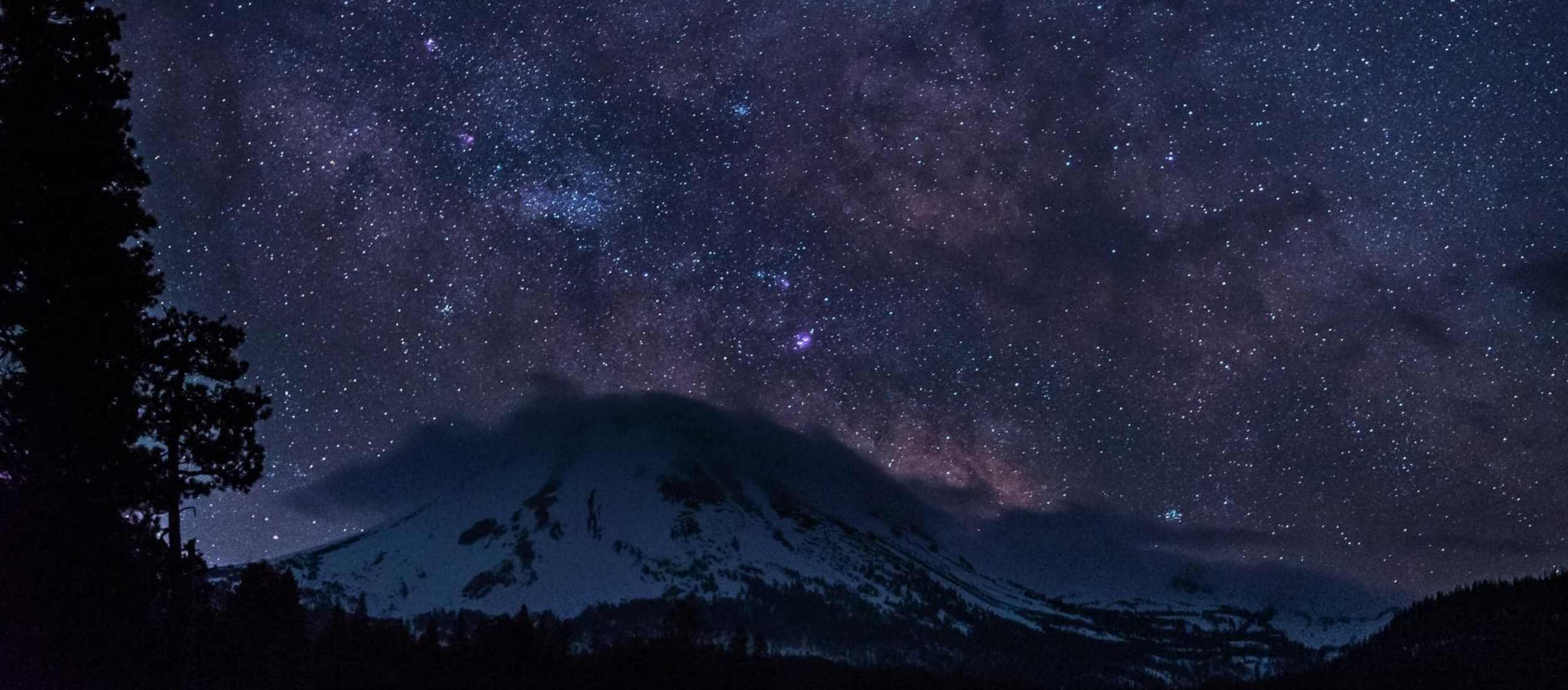
The
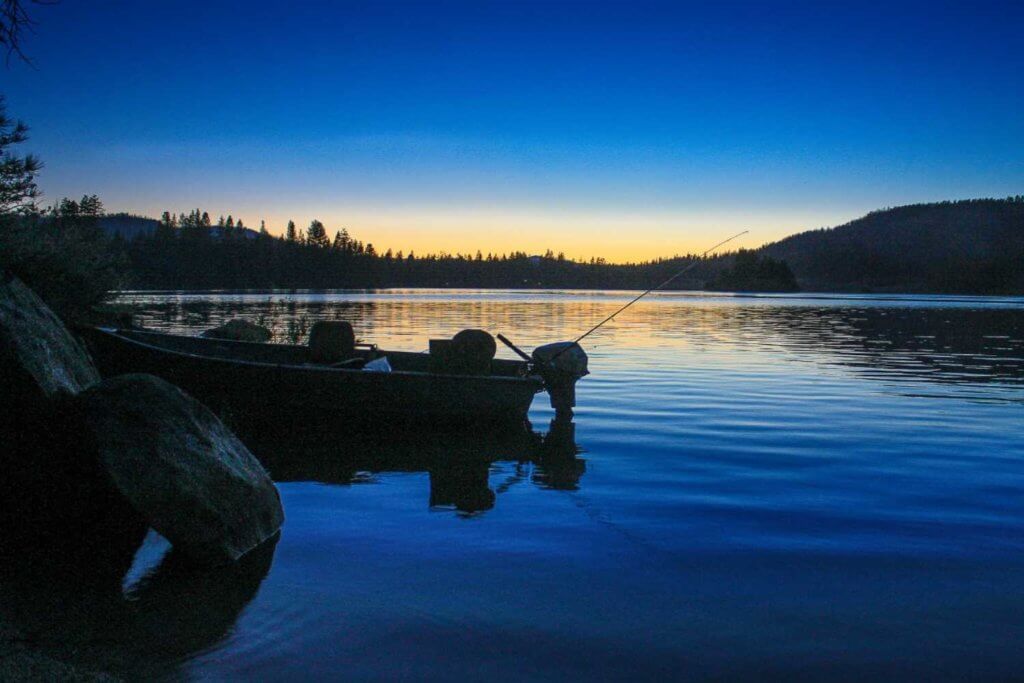
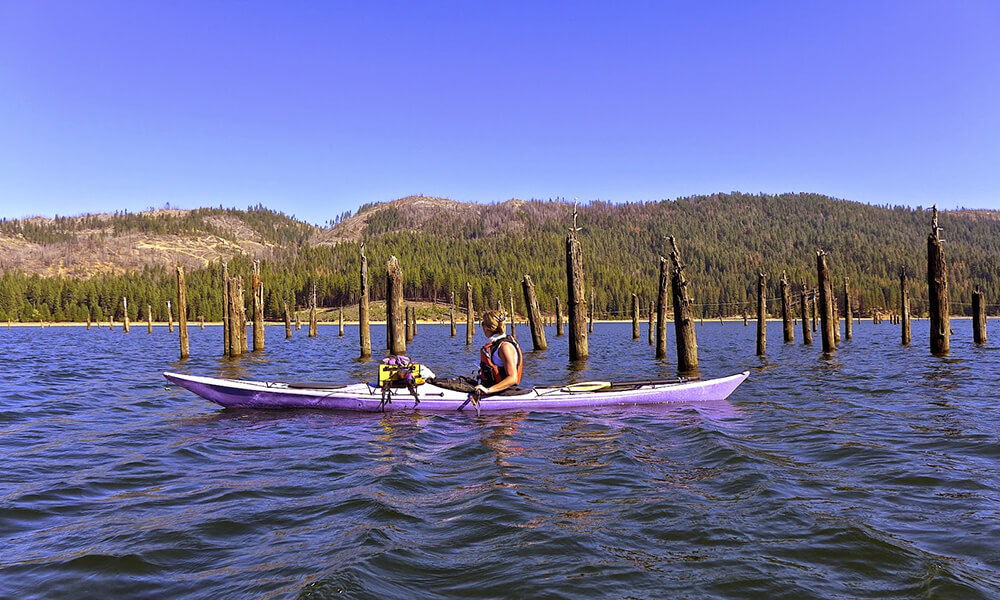
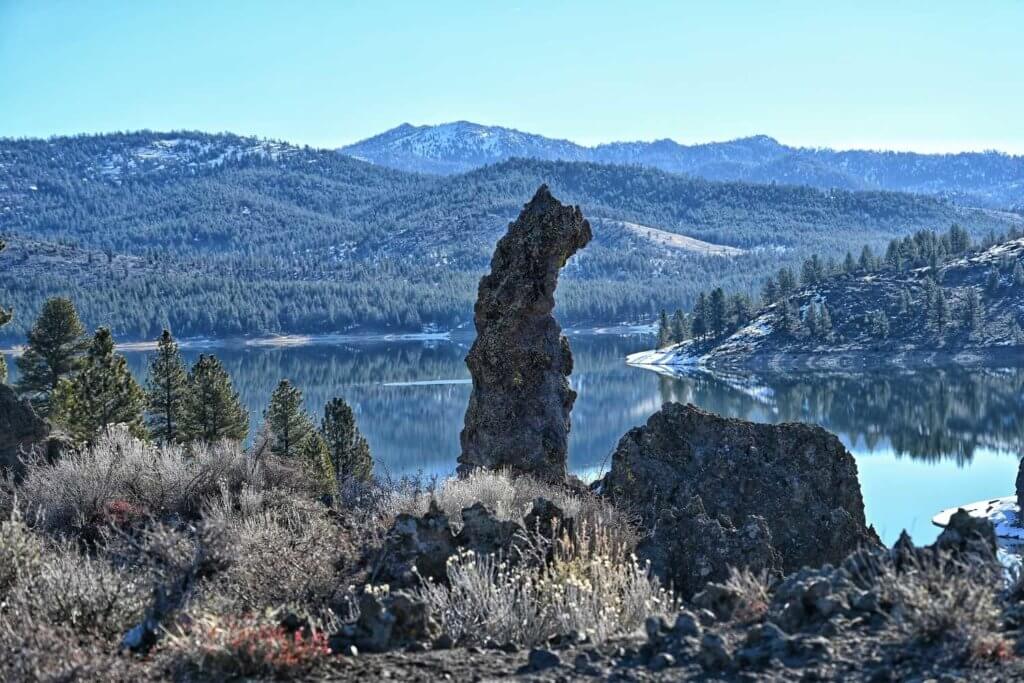
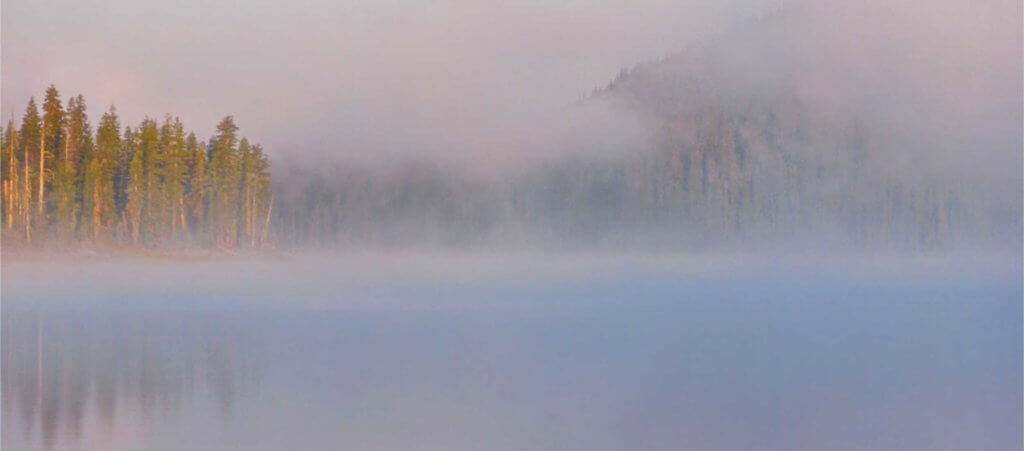
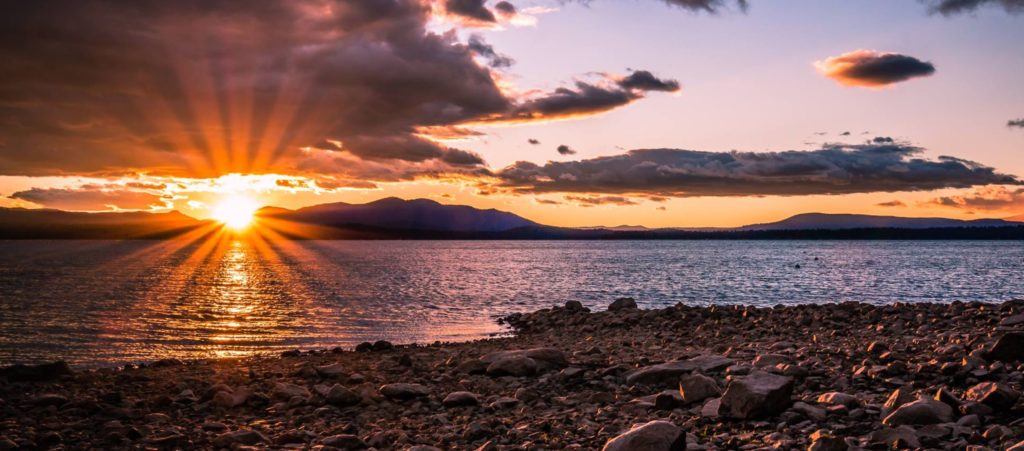
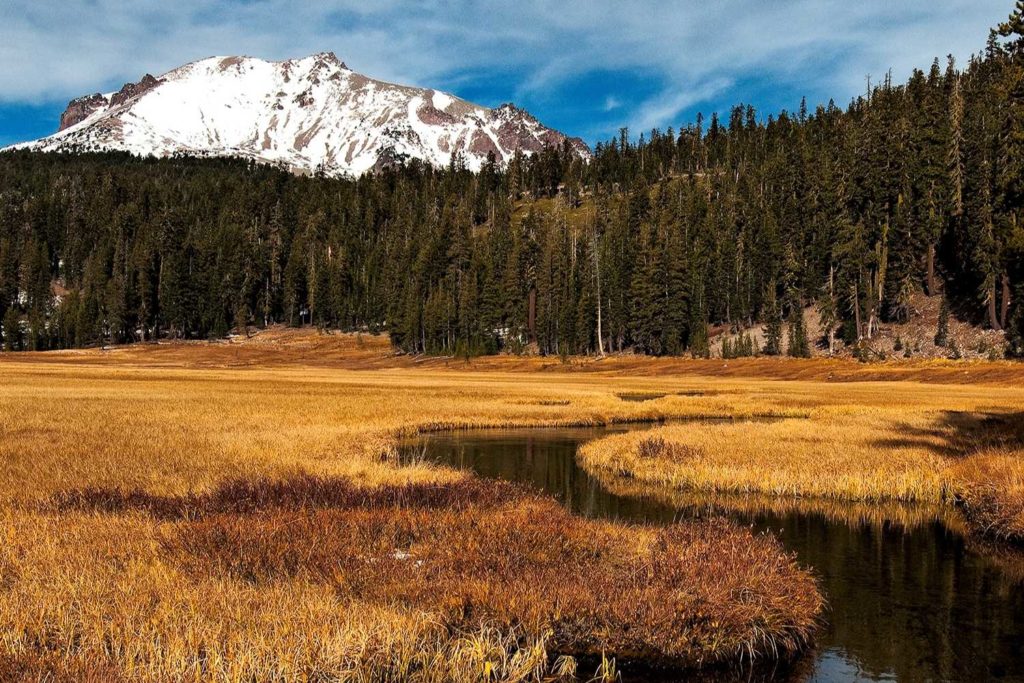
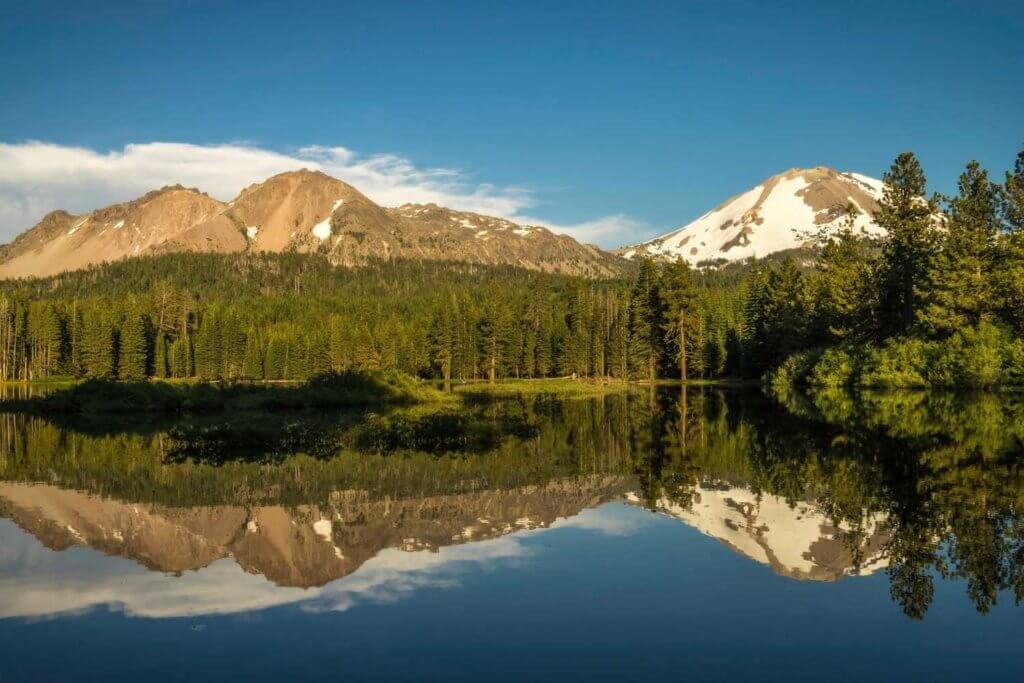
beauty and solitude of nature is what Plumas
County is all about. There is plenty of quiet,
open space, and fresh air. You won't find it
crowded with tourists.
More than three-quarters of Plumas County's 2,618
square miles is national forest land. The Plumas
National Forest encompasses the majority of
that, while the Lassen National Forest takes in
part of the northern end of the county and the
Tahoe National Forest touches into the south and
east.
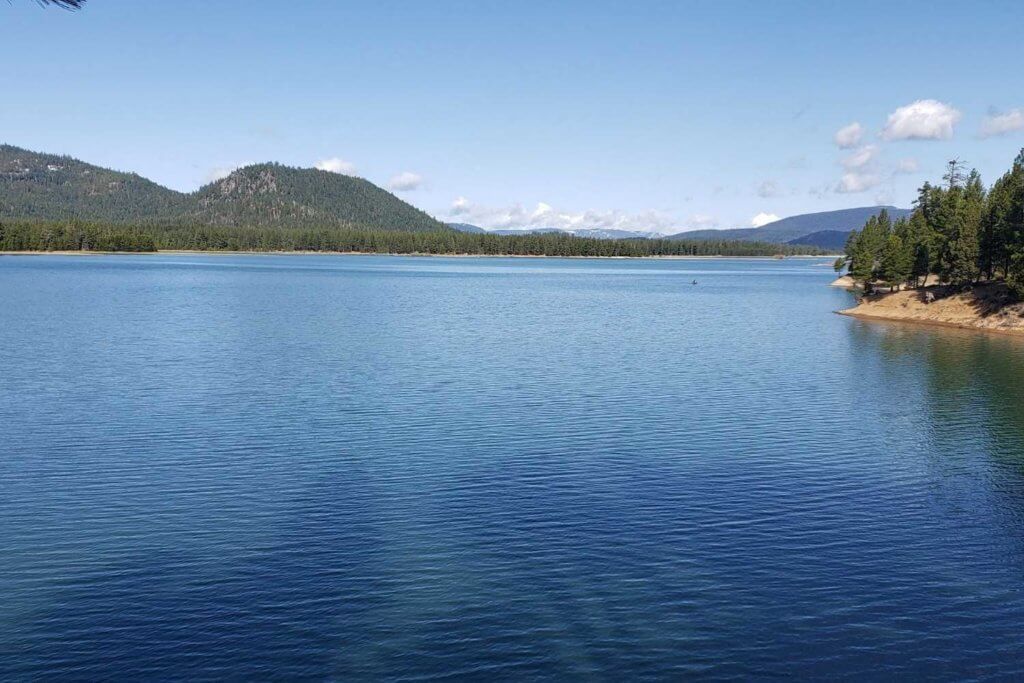
The Plumas National Forest occupies 1.2
million acres of scenic mountain lands in
the northern edge of the Sierra Nevada, just
south of the Cascade range. Known for its
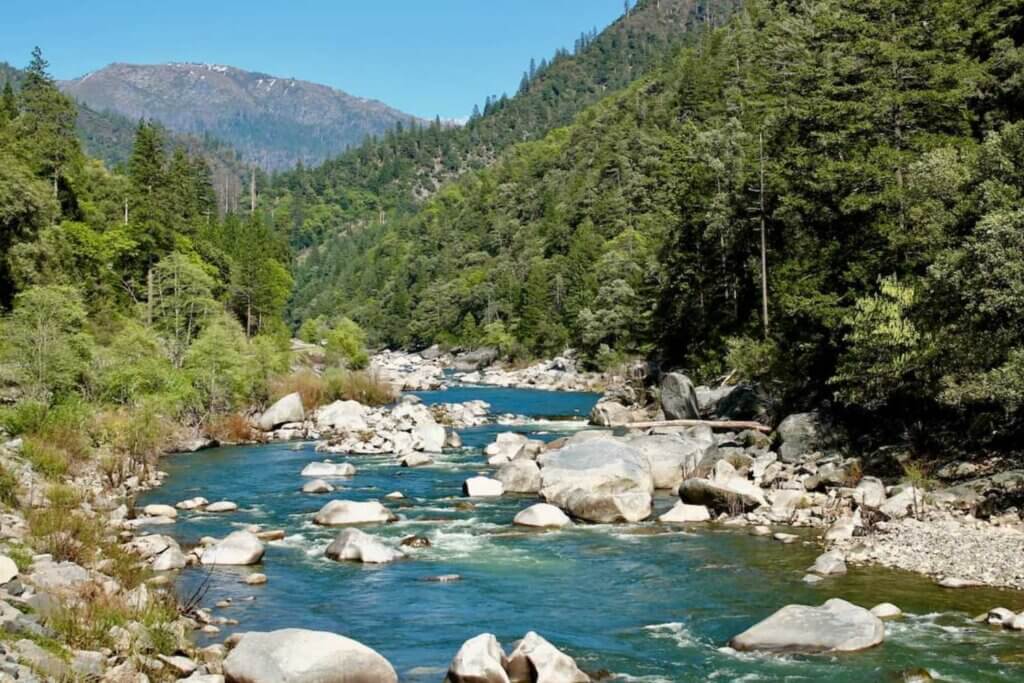
high alpine lakes and thousands of miles of
clear-running streams, the forest sits at
the top of the watershed that supplies water
to many California citizens.
Trees within the forest are mostly grand
conifers, which reach high into the sky and
are beautifully latticed with snow during
winter, and various hardwoods that turn
brilliant in the fall.
Outdoor enthusiasts are attracted year-round to the national forest and its
waterways, beautiful deep canyons, rich mountain valleys and lofty peaks. There
are hundreds of maintained campsites
and numerous
picnic spots to choose from.
Recreational opportunities are available in every season. Some 292 miles of
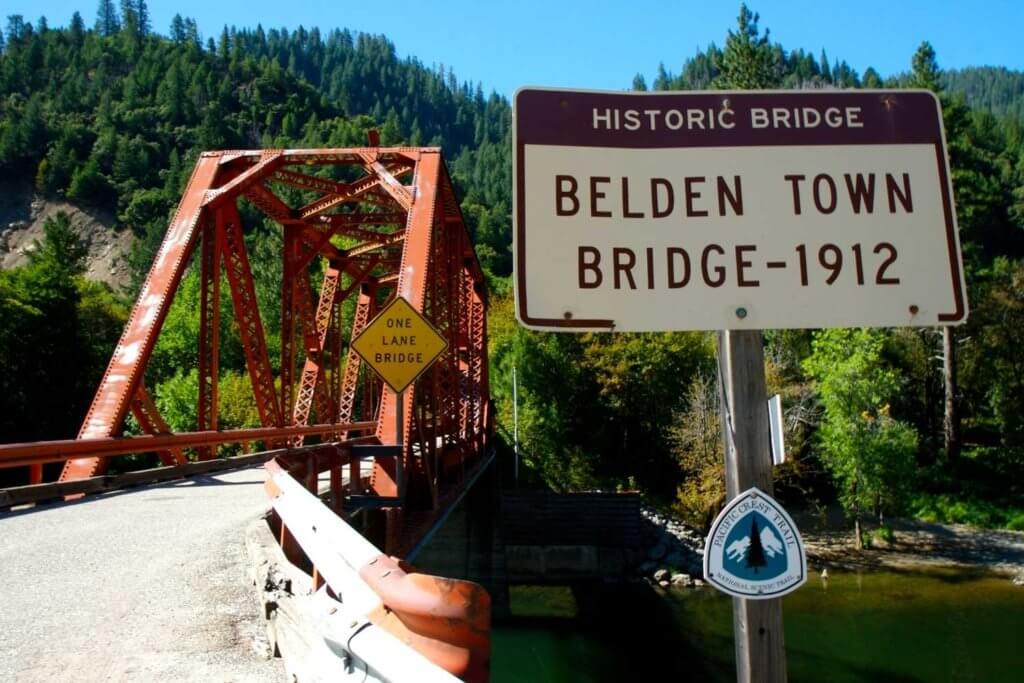
trails are maintained throughout the forest, including the Pacific Crest Trail.
The forest, and the sparsely populated rural communities that surround it
provide a feeling of seclusion and tranquility. If you're needing to rest,
reflect and get away from it all, this is the place.
Forest and
Watershed Tours
Forest Tours and workshops are
offered on selected Fridays and
Saturdays from May to October by
Sierra Institute, a non-profit
research and education organization
based in the northern Sierra Nevada
range.
The hands on, educational tours
showcase innovative forest and
water projects in Plumas County
and emphasize the relationship
of people with "working
landscapes." These
landscapes include forests,
ranches, and watersheds that
underpin the economic survival
of local rural communities,
while also serving as habitat
for wildlife, and protection for
California's vital water
resources.
Tours discuss the environmental
and cultural history of the
area, including watershed
management, hydropower,
ranching, forest management,
timber operations, and conflict
resolution.
|
Wilderness Areas
Special wilderness areas of the forest are managed to protect and preserve
their pristine natural values. These areas offer excellent hiking,
backpacking and horseback riding in a primitive, completely undeveloped setting.
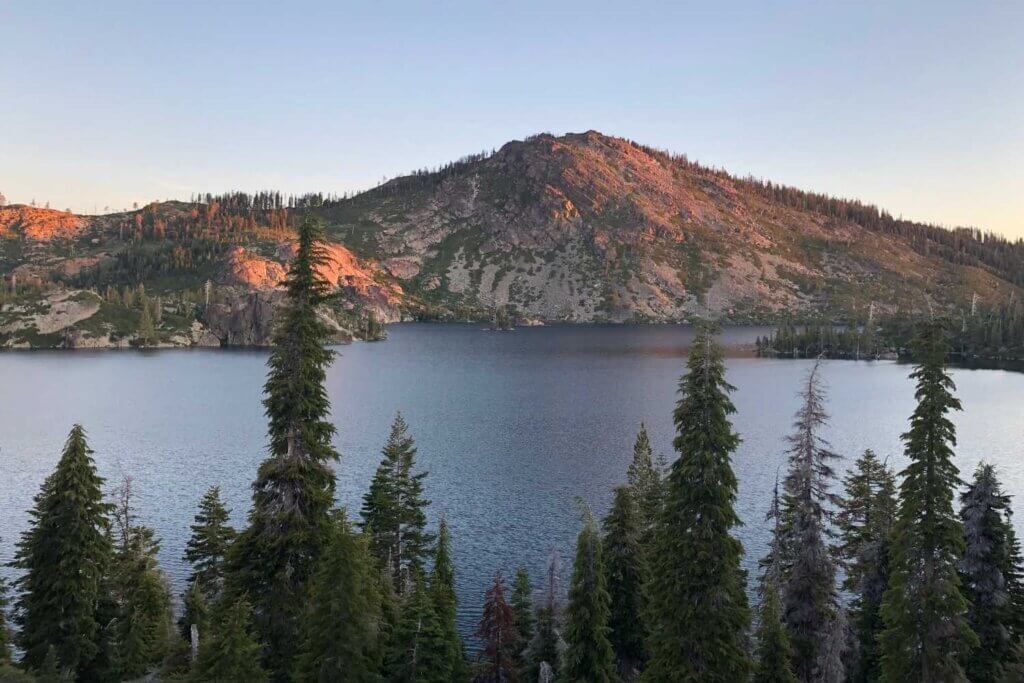
In the Plumas National Forest, the 24,000-acre Bucks Lake Wilderness
near Bucks Lake has a broad diversity of plant life, trees and landscape
features. Ranging from 2,000 to 7,017 feet in elevation, Bucks Lake Wilderness
includes gentle slopes, steep canyons and sheer cliffs. Most of it is
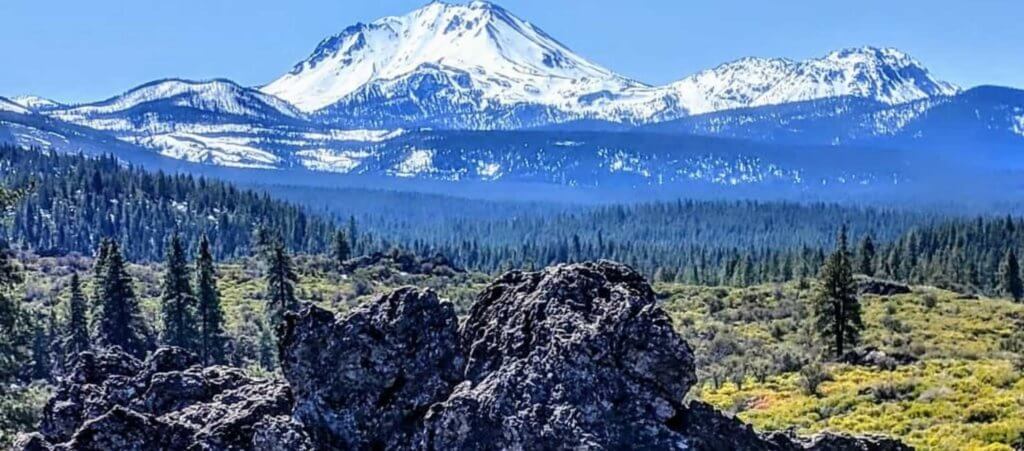
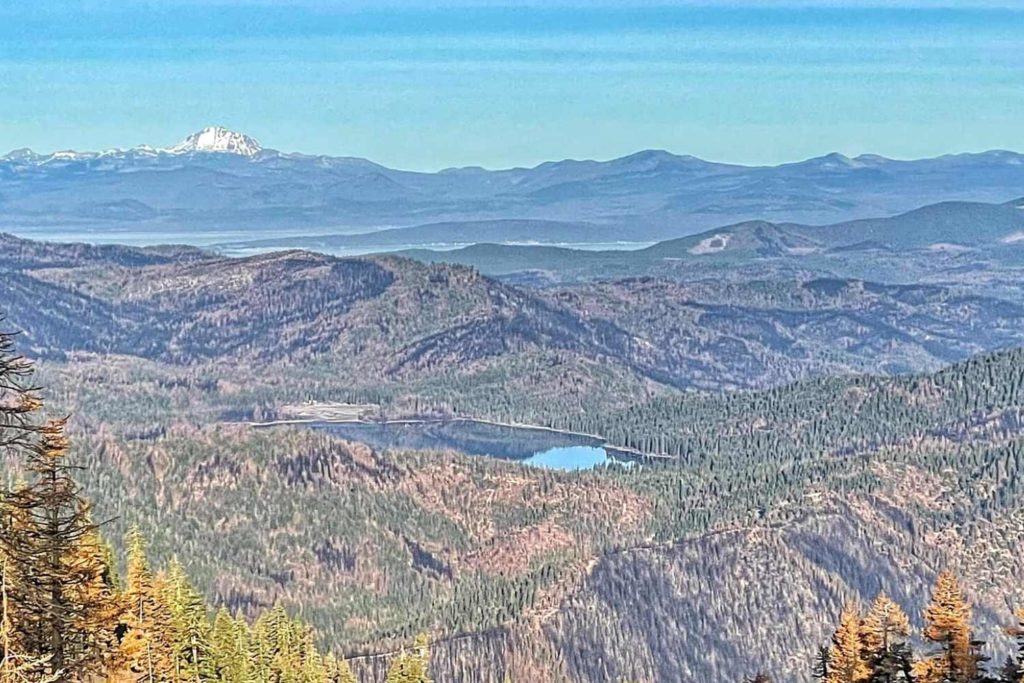
rugged with human access difficult. The Pacific Crest Trail crosses the area,
and Lassen Peak is visible on clear days, 40 miles to the north.
The Caribou Wilderness
is located in the Lassen National Forest just north of the Almanor Basin. This
is a gentle, rolling forested plateau dotted with mountain lakes, cratered peaks
and cinder cones, evidence of Caribou’s volcanic past. Hiking here is generally
easy.
No permits are needed to visit these wilderness areas, but fire permits for
primitive camping are required. Visitors to these areas are asked to tread
lightly and leave nothing behind. Mechanical vehicles (including mountain bikes)
are not allowed.
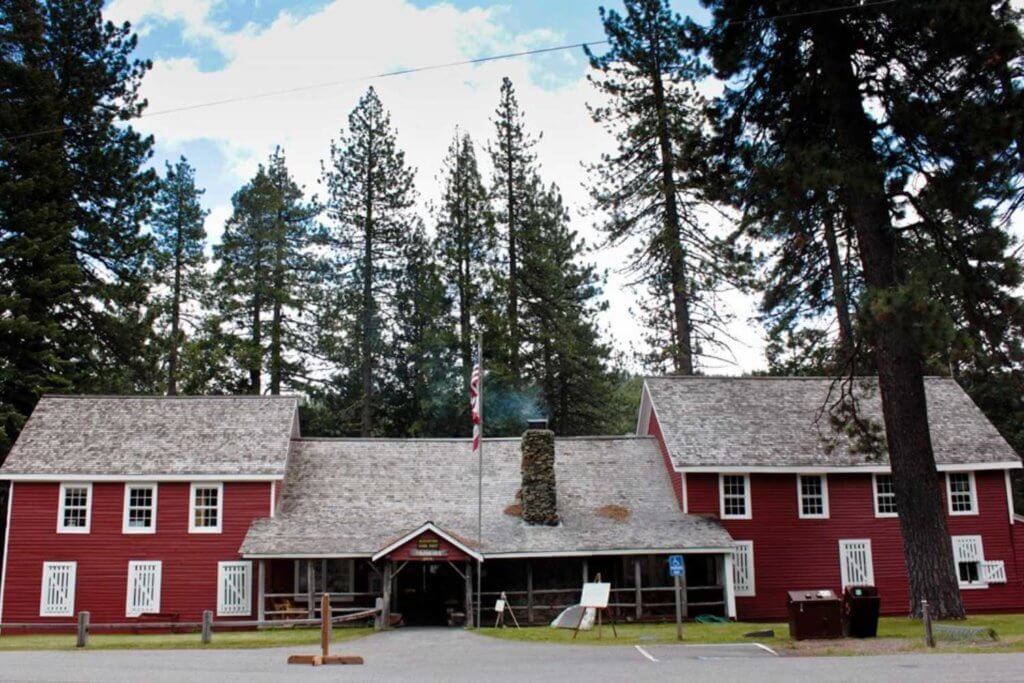
Contact the Plumas and Lassen National Forest
offices for wilderness camping rules and to
obtain maps. |